Essential Website Elements for Maximizing Returns
SEO Optimization
Implement SEO best practices to improve your website’s visibility in search engine results.
Social Proof
Include customer testimonials, reviews, case studies, and endorsements to build credibility and trust.
To maximize returns from your website, ensure it includes the following essential elements:
1. Clear Call-to-Actions (CTAs)
- Description: CTAs guide users towards taking specific actions, such as making a purchase, signing up for a newsletter, or contacting your business.
- Implementation: Use clear, concise language and position CTAs prominently on your homepage, landing pages, and throughout your website.
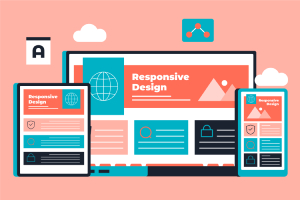
2. Responsive Design
- Description: A responsive design ensures your website looks and functions well on all devices, providing a seamless user experience.
- Implementation: Use flexible grids, fluid images, and CSS media queries to adapt your website’s layout to different screen sizes.
3. High-Quality Content
- Description: High-quality content attracts visitors, builds trust, and encourages them to spend more time on your site.
- Implementation: Regularly publish informative and engaging blog posts, articles, videos, and other content relevant to your audience.
4. User-Friendly Navigation
- Description: Easy-to-use navigation helps users find the information they need quickly, improving their overall experience.
- Implementation: Design a simple, intuitive menu structure, use clear labels, and include a search feature to help users navigate your site efficiently.
5. Trust Signals
- Description: Trust signals like customer testimonials, reviews, certifications, and secure payment icons build credibility and reassure visitors.
- Implementation: Display trust badges prominently, include customer testimonials on relevant pages, and ensure your site is secure with HTTPS.
6. Analytics and Tracking
- Description: Analytics tools provide insights into user behavior, helping you make data-driven decisions to improve your site’s performance.
- Implementation: Integrate tools like Google Analytics to track visitor data, monitor key metrics, and identify areas for optimization.
Including these six elements in your website design can significantly enhance user experience, boost engagement, and drive better returns. Clear CTAs, responsive design, high-quality content, user-friendly navigation, trust signals, and robust analytics are critical components for achieving your website’s goals and ensuring its success.