Essential Website Features for Edmonton
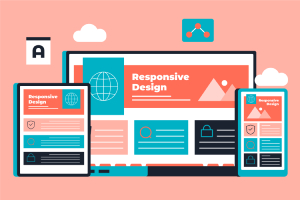
In 2024, every Edmonton business must prioritize essential website features to stay competitive and meet user expectations. These include mobile responsiveness to accommodate diverse device usage, fast loading speeds for optimal user experience, and secure HTTPS encryption to protect customer data.
Customer Reviews and Testimonials
Displaying authentic customer feedback builds credibility and influences purchasing decisions.
Analytics and Conversion Tracking
Implementing tools for tracking website performance and user behavior provides valuable insights.
Here are the key features every Edmonton business should consider:
1. Mobile Responsiveness
- Why: A significant portion of web traffic comes from mobile devices. A mobile-responsive site ensures a seamless experience across all devices.
- How: Use responsive design techniques, flexible grids, and media queries to adapt the layout to various screen sizes.
2. Fast Loading Times
- Why: Speed affects user experience and search engine rankings.
- How: Optimize images, leverage browser caching, minimize JavaScript, and consider using a Content Delivery Network (CDN).
3. SEO Optimization
- Why: To improve visibility on search engines and attract more organic traffic.
- How: Implement keyword research, optimize meta tags, create high-quality content, and ensure a clean site structure.
4. Clear Call-to-Actions (CTAs)
- Why: To guide users towards desired actions such as making a purchase or contacting the business.
- How: Use prominent, concise, and compelling CTAs throughout the site.
5. User-Friendly Navigation
- Why: Easy navigation improves user experience and keeps visitors on the site longer.
- How: Use a simple, intuitive menu structure, breadcrumbs, and a search feature.
6. Secure (HTTPS)
- Why: Security is crucial for protecting user data and building trust.
- How: Obtain and install an SSL certificate to ensure all data transmitted between the user and the site is encrypted.
7. High-Quality Content
- Why: Engaging and informative content attracts and retains visitors.
- How: Regularly update blogs, articles, videos, and other content that is relevant to your audience.
8. Integration with Social Media
- Why: To engage with a broader audience and drive traffic from social platforms.
- How: Add social sharing buttons, integrate social feeds, and ensure your social profiles are easily accessible.
9. Contact Information and Customer Support
- Why: To provide users with easy ways to get in touch and resolve issues.
- How: Include a contact form, phone number, email address, and live chat support.
10. Local SEO
- Why: To attract local customers searching for services in Edmonton.
- How: Optimize for local keywords, create a Google My Business profile, and include local business listings.
11. Analytics and Tracking
- Why: To understand user behavior and measure the effectiveness of your marketing strategies.
- How: Implement tools like Google Analytics to track and analyze site traffic and user interactions.
12. Accessibility Features
- Why: To ensure the site is usable by everyone, including people with disabilities.
- How: Follow WCAG guidelines, use alt text for images, ensure keyboard navigability, and provide text transcripts for videos.
13. E-commerce Capabilities (if applicable)
- Why: To facilitate online sales if your business offers products or services.
- How: Implement a secure shopping cart, product pages, payment gateways, and inventory management.
14. Testimonials and Reviews
- Why: To build credibility and trust with potential customers.
- How: Display customer testimonials, case studies, and integrate with review platforms like Google Reviews.
15. Blog or News Section
- Why: To provide valuable content and improve SEO.
- How: Regularly publish blog posts or news updates relevant to your industry and audience.
By incorporating these features, Edmonton businesses can create a robust online presence that attracts, engages, and converts visitors effectively.